The personal care market is evolving rapidly, and retail and private label soap brands are under growing pressure to deliver products that are not only effective but also aligned with consumer values. Whether you’re launching a new soap line or scaling an existing product portfolio, understanding key market shifts and manufacturing best practices can help your brand stay competitive in 2025 and beyond.
1. Ingredient Transparency Is Non-Negotiable
Modern consumers (especially Millennials and Gen Z) want to know exactly what they’re putting on their skin. According to Mintel, 64% of U.S. consumers are more likely to purchase products from brands that disclose all ingredients, especially when they’re presented in a clear and understandable way.
For private label and retail brands, this means collaborating with manufacturers that support the entire International Nomenclature of Cosmetic Ingredients (INCI) labeling, ingredient sourcing transparency, and clear communication regarding function and benefits. Clean beauty isn’t just a trend; it’s a key driver of purchase.
2. Sustainability Drives Shelf Appeal
Soap bars are at the center of the sustainability conversation. Their solid format means less water, less packaging, and lower transportation costs compared to liquid cleansers. According to Fortune Business Insights, the global bar soap market is expected to grow at a CAGR of 6.05% from 2025 to 2032, largely driven by increased demand for eco-conscious formulations and plastic-free packaging.
Retail buyers are prioritizing products with compostable packaging, RSPO-certified palm oil, and sustainable production methods that minimize waste. Partnering with a soap manufacturer that understands sustainable sourcing and packaging trends is essential.
3. Functionality Is Just as Important as Fragrance
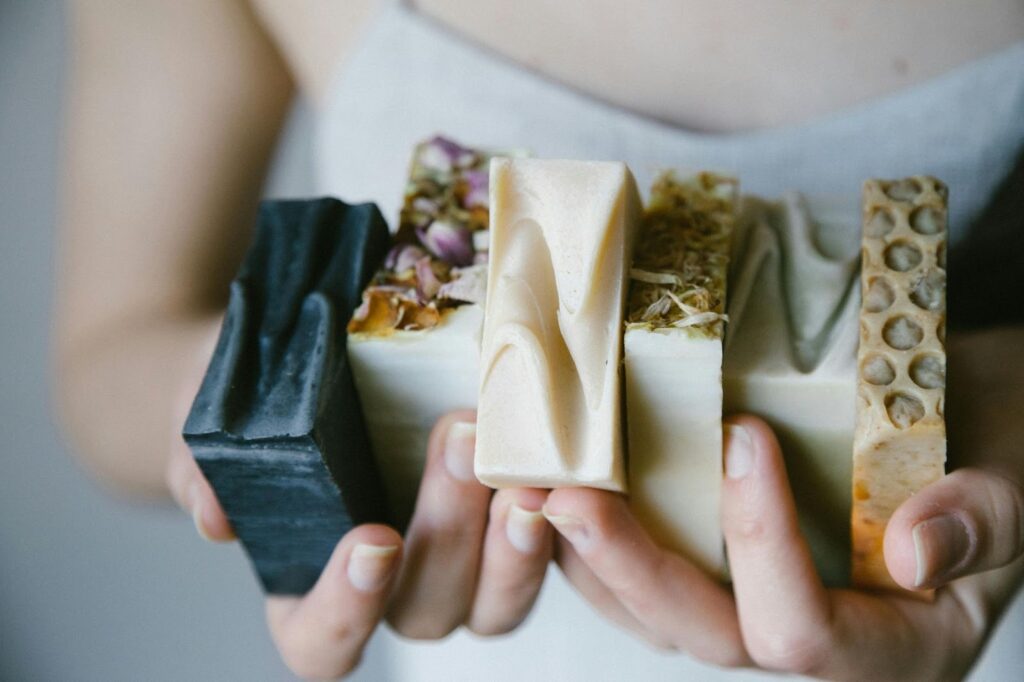
While scent remains a major differentiator, consumers are also looking for soaps that do more. Bars that incorporate skin-loving ingredients, such as salicylic acid (for acne), colloidal oatmeal (for sensitive skin), or charcoal (for detoxification), are gaining in demand.
Private label brands should explore ingredient stories that go beyond smelling good. Consider products that clarify pores, lock in moisture, or soothe irritation.
4. Customization Creates Shelf Separation
As the market becomes more crowded, custom formulations, shapes, embossing, and scents allow brands to carve out a niche. Retailers and boutique brands alike benefit from creating signature products that feel bespoke, even if produced at scale.
CST Soap supports customized bar soap manufacturing, including size, color, scent, function, and packaging, to help your brand stand out.
5. Speed-to-Market Matters More Than Ever
In the age of TikTok virality and flash trends, the ability to bring a product from idea to shelf in record time can make or break a brand. Retail buyers are seeking suppliers who can rapidly develop products without compromising quality or compliance.
Look for a soap manufacturer with in-house R&D, regulatory support, and vertically integrated production capabilities. At CST, we streamline the process from concept to fulfillment, enabling private label partners to meet market demand quickly.
Takeaways
Retail and private label soap brands have a significant opportunity in 2025, but achieving success requires a strategic approach. From transparent ingredient sourcing to scalable customization, partnering with the right manufacturer makes all the difference. If you’re ready to launch or elevate your soap product line, selecting a knowledgeable, flexible, and trusted manufacturing partner like CST can help you make a lasting impression.