The soap and personal‑care markets are evolving in exciting ways. What once was a basic hygiene staple is now becoming a convergence point for skin science, sustainability, and technology-driven convenience.
For brands, retailers, and manufacturers, keeping ahead of these trends isn’t just useful; it’s essential. Here’s a look at the key trends shaping soap in 2026.
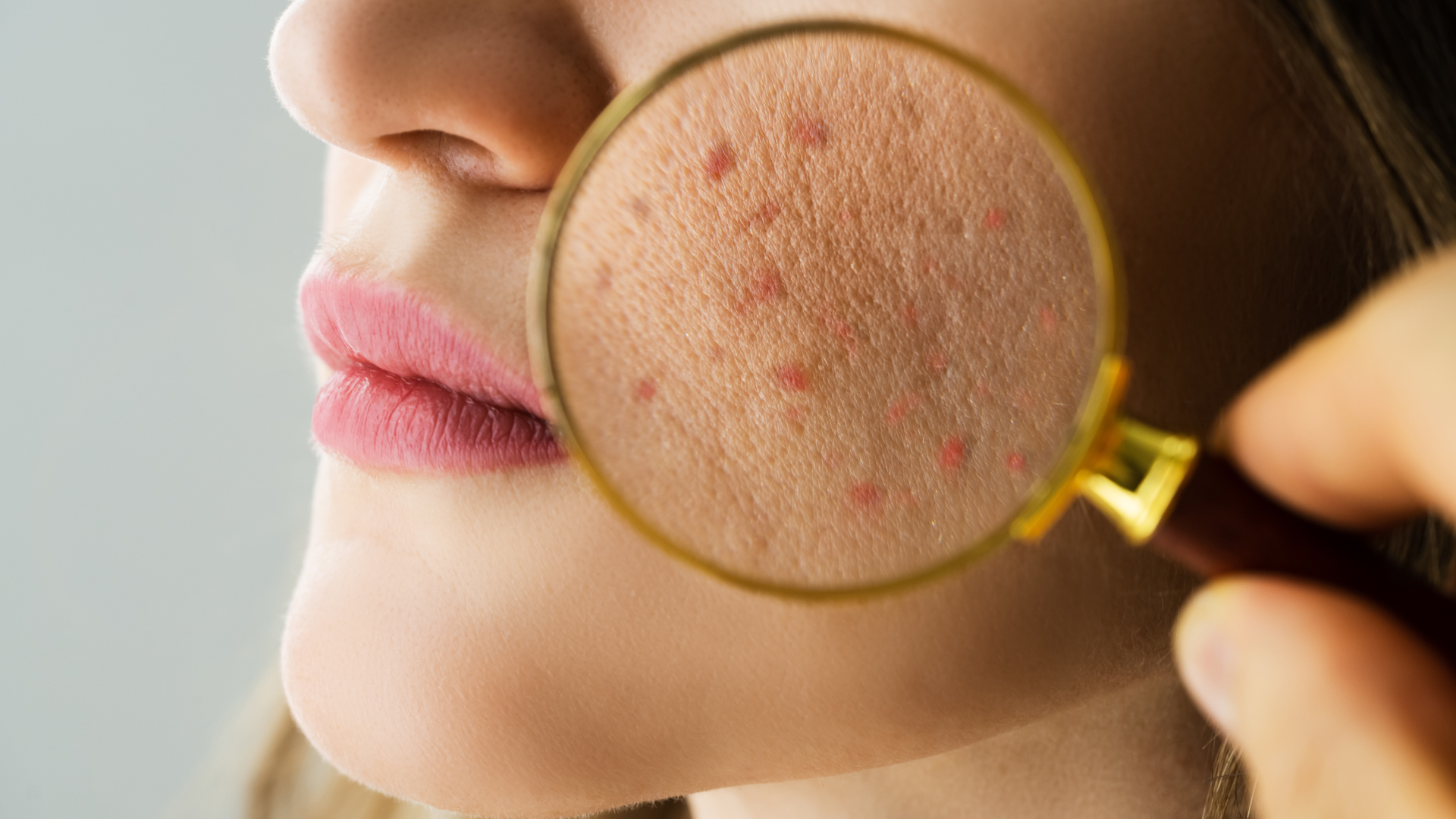
1. Skin‑Tech & Personalized Cleansing
The rise of biotech and AI‑powered beauty is extending into cleansing products. According to industry analysts, the cosmetic and personal‑care space is increasingly embracing “skin longevity” and data‑driven personalization.
- Smart formulations: Expect more bar and liquid soaps formulated based on skin type, concerns, or even environmental conditions — from cleansing soaps for acne-prone skin to moisturizing bars for dry or sensitive skin.
- Integration with tech: AI tools, wearables, or skin‑analysis devices may soon recommend the right soap for a user’s skin needs.
- Holistic skincare philosophy: As beauty becomes more closely tied to wellness and skin health, soaps will increasingly be treated as part of a larger skin‑care regimen rather than just cleansing tools.
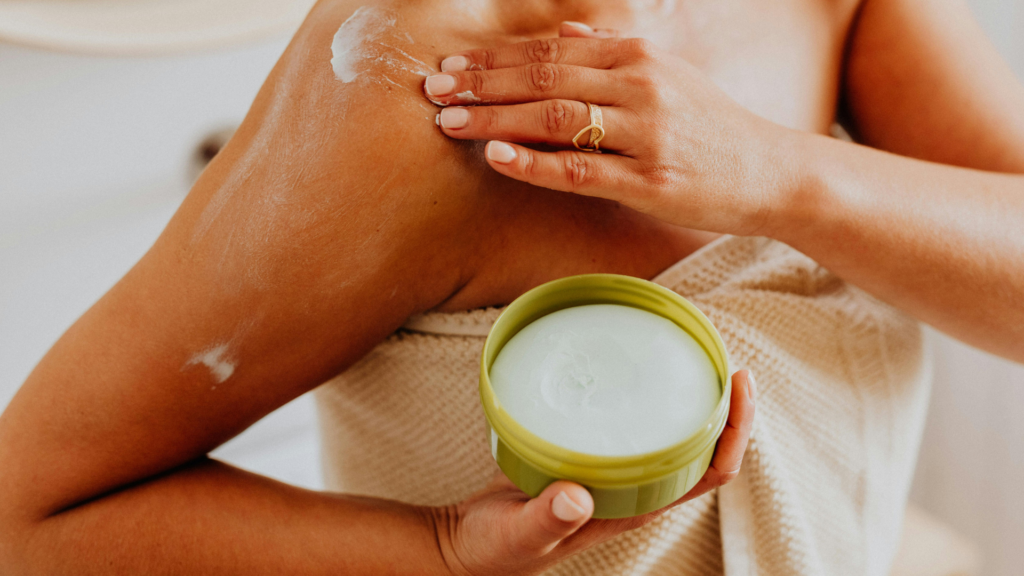
2. Smart, Sustainable Packaging & Reusability
Packaging is no longer simply a vessel — in 2026 it’s a part of the product experience and brand promise. The shift toward smart, refillable, minimal‑waste packaging is accelerating.
- Refillable and reusable solutions: Disposable plastics are falling out of favor. Expect more soaps sold with refill systems or packaging designed for long-term reuse.
- Smart packaging elements: QR codes, embedded sensors, or NFC tags may be used to share product stories, ingredient origins, sustainability credentials, and usage tracking directly with customers.
- Aesthetic & tactile design: 2026 packaging trends lean toward calm colors and minimalist design that evoke calm and wellness, aligning with spa-style sensibilities.
3. Clean Beauty, Transparency & Ethical Sourcing
Consumer demand for transparency and ethical sourcing continues to rise. According to recent market reports, clean beauty and responsible consumption are among the primary growth drivers for personal‑care products.
- Ingredient clarity: Brands will increasingly need to declare full ingredient lists, sourcing details, and ethical claims, not just vague “natural” or “clean” labels.
- Sustainable supply chains: Sourcing of oils, botanical extracts, and water‑sensitive ingredients will favor regenerative or low‑impact farms.
- Ingredient innovation: Expect more use of biotech-derived or lab-cultivated actives for skin health, offering stable, sustainable alternatives to traditional raw materials.
4. Transparent, Trust‑Focused Brand Partnerships
For retailers, spas, hotels, and private‑label partners, 2026 calls for collaboration with manufacturers who can deliver:
- Traceable, ethical sourcing
- Smart and refillable packaging
- Custom formulations and functionality
- Clear certification and compliance documentation
What This Means for Soap Brands & Manufacturers
- Invest in innovation. Explore biotech-derived ingredients, skin‑tech integrations, and smart packaging.
- Prioritize transparency. Full disclosure on ingredients and sourcing will build consumer trust.
- Offer customization. Personalized, multifunctional soaps designed for specific needs.
- Think long-term. Sustainable packaging and refill systems aren’t just trends; they’re part of a broader shift toward circular-economy models.
- Align with wellness. Soap products are increasingly part of broader wellness and self-care routines. Position accordingly.
Ready to get started in 2026? Contact a CST team member today!