For years, soap purchasing decisions were often driven by one primary factor: price. But today’s market tells a much more nuanced story. Across retail, hospitality, healthcare, and private-label manufacturing, brands and consumers alike are redefining what “value” actually means.
Value is no longer synonymous with “lowest cost.” Instead, buyers are evaluating performance, ingredient transparency, sustainability, manufacturing reliability, and long-term customer satisfaction alongside price point considerations.
For soap manufacturers and private-label brands, this shift is reshaping product development strategies in significant ways.
Consumers Are Becoming More Selective – Not Necessarily Less Interested
Economic uncertainty tends to make consumers more intentional with spending habits. However, that does not always translate into purchasing the cheapest available option.
Here are a few questions that consumers are asking themselves:
- Does this product last longer?
- Is it gentler on skin?
- Are the ingredients worth the premium?
- Does the brand align with sustainability expectations?
- Will this product perform consistently?
A lower-cost soap that dries the skin, dissolves quickly, or lacks formulation stability may ultimately feel like a poor value compared to a moderately priced product engineered for performance and longevity.
This is especially relevant in categories like moisturizing beauty bars, liquid hand soaps, body washes, and specialty cleansing products where sensory experience and ingredient functionality heavily influence repeat purchasing behavior.
Industry conversations surrounding “clean beauty,” ingredient sourcing, and formulation transparency also continue to influence buying habits, particularly among younger consumers and premium retail audiences.
Ingredient Transparency Is Becoming Part of the Value Equation
Today’s buyers are reading labels more carefully than ever before.
Ingredients that once lived quietly on the back panel are now major purchasing drivers. Consumers increasingly associate value with products containing:
- Naturally derived oils and butters
- Plant-based surfactants
- Moisturizing additives
- Sustainable or responsibly sourced ingredients
- Skin-friendly preservation systems
- Specialty functional ingredients
At the same time, there is growing awareness that formulation science matters just as much as marketing language. Buyers are becoming more educated about the role preservatives, stabilizers, and performance ingredients play in product safety and shelf stability.
For manufacturers, this means balancing consumer expectations with technical formulation realities.
Durability and Performance Matter More Than Ever
Economic pressure often pushes consumers toward products that maximize utility and lifespan.
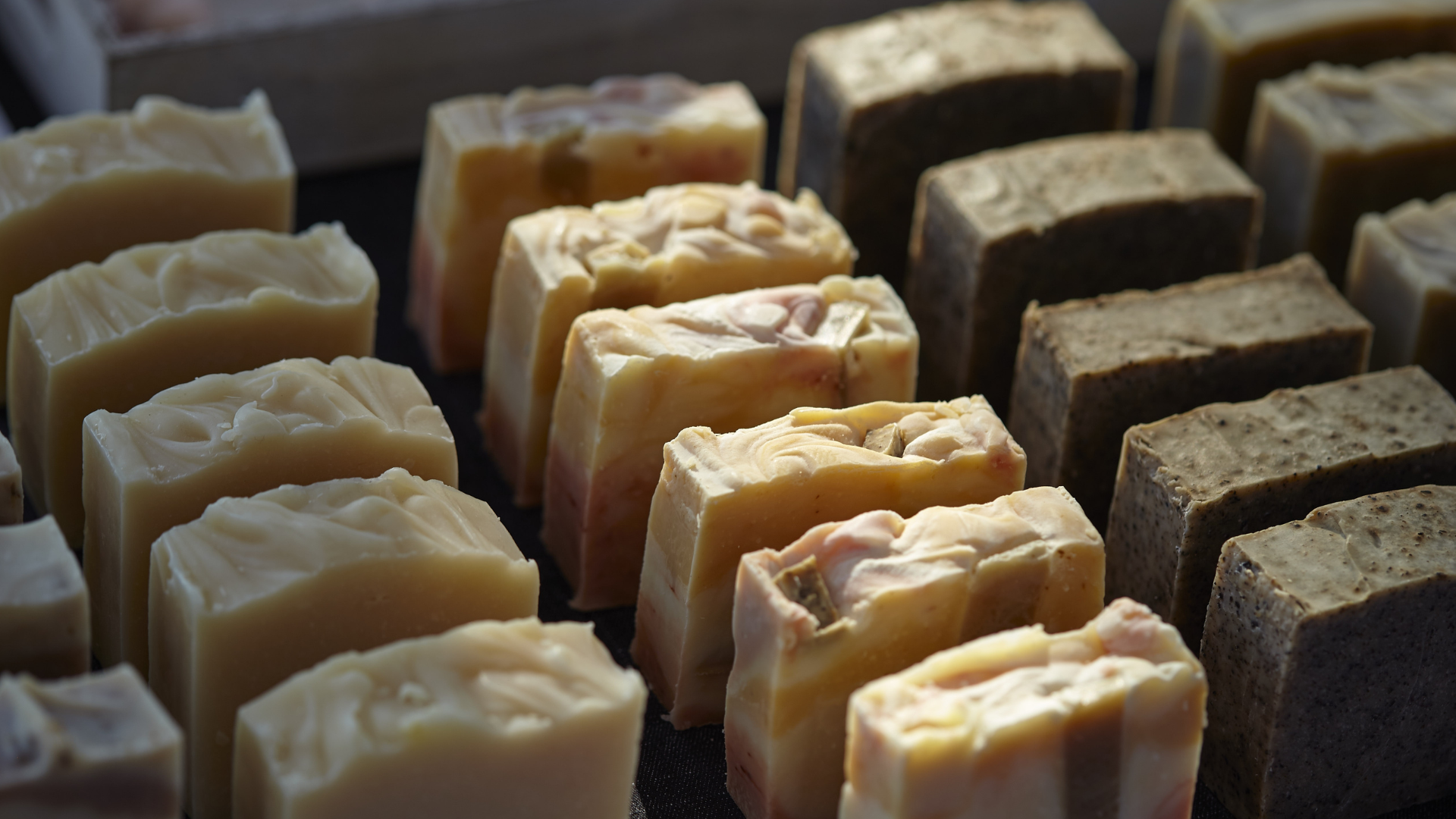
In bar soap manufacturing, this has led to increased interest in:
- Longer-lasting bars
- Triple-milled processing
- Improved hardness and structural integrity
- Optimized fragrance retention
- Better moisture balance
In liquid products, brands are placing greater emphasis on:
- Controlled viscosity
- Effective dispensing performance
- Concentrated formulations
- Foam quality
- Reduced product waste
These formulation details may seem subtle, but they directly influence how consumers perceive product value.
A soap that maintains shape, performs consistently, and delivers a premium user experience can strengthen brand loyalty even during tighter economic conditions.
Sustainability Is No Longer Considered Optional
Even amid economic challenges, sustainability expectations continue to grow.
Consumers and retail partners increasingly expect brands to demonstrate:
- Responsible ingredient sourcing
- Reduced manufacturing waste
- Energy-efficient production
- Sustainable packaging options
- Transparent supply chain practices
This creates an interesting dynamic in the soap industry.
Brands are under pressure to control costs while simultaneously improving environmental responsibility.
Modern manufacturing technology is helping bridge that gap. Advanced continuous saponification systems, for example, can improve consistency while significantly reducing energy usage and production waste compared to older manufacturing methods.
For many companies, sustainability investments are no longer viewed solely as marketing advantages – they are operational efficiencies that contribute to long-term value creation.
Private Label Brands Are Competing Differently
Private-label soap brands are also evolving in response to economic shifts.
Historically, private label products were often positioned as lower-cost alternatives to national brands. Today, many retailers and emerging brands are instead focusing on premium positioning, differentiated ingredients, and specialized formulations.
This includes demand for:
- Organic-inspired formulations
- Dermatologist-focused products
- Wellness-oriented positioning
- Specialty fragrances
- Eco-conscious packaging
- Niche performance claims
As a result, contract manufacturers are expected to provide far more than basic production capacity.
Modern manufacturing partnerships increasingly involve:
- Collaborative formulation development
- Regulatory guidance
- Ingredient sourcing expertise
- Packaging consultation
- Stability testing
- Scalability planning
- Trend forecasting
The Definition of “Affordable” Has Changed
In today’s market, affordability is increasingly tied to overall product satisfaction rather than upfront price alone.
Consumers want products that:
- Feel premium
- Perform reliably
- Align with personal values
- Support skin wellness
- Deliver consistency
- Justify repeat purchases
For soap manufacturers and private-label brands, this means success depends on understanding the broader definition of value now shaping purchasing behavior.
Economic conditions may fluctuate, but one trend appears increasingly clear: buyers are becoming more thoughtful, informed, and selective about the products they bring into their homes and businesses.
And in the soap industry, that evolution is pushing manufacturers toward higher-performing formulations, smarter ingredient strategies, and more meaningful product differentiation than ever before.
Want to create a soap that people look forward to using every day?
Let’s talk scent strategy, texture, and the rituals that matter to your audience.