

Today’s soap consumers are looking for more than just clean hands. They’re drawn to products that feel good, smell good, and fit into their daily routines. For brands, that means sensory branding using smell, texture, and ritual is no longer optional. It’s how you stand out.
Here’s how sensory branding makes a difference:
Smell: A Lasting First Impression
Scent is often the first thing people notice about a soap — and one they’ll remember.
Studies show that scent is directly tied to memory and emotion, which helps consumers form strong connections with products.
Brands can use scent to:
- Evoke feelings (like calm, focus, or energy)
- Build signature fragrances that customers recognize instantly
- Increase repeat purchases through scent-driven loyalty
Texture: A Marker of Quality
Touch plays a key role in how consumers assess and emotionally relate to product quality. The feel of soap lather, the smoothness of the bar, and the tactile experience during use all contribute to perception.
Research shows that multisensory stimuli, including tactile cues, can strengthen brand impressions and consumer satisfaction.
That trust translates into:
- Perceived value
- Better reviews
- Higher customer satisfaction
Ritual: Daily Use That Builds Loyalty
Daily cleansing isn’t just a routine, it’s a ritual. Rituals are repeated, meaningful behaviors that connect brands to consumers’ identities and lifestyles. When scent, texture, and usage become intertwined with personal routines, soap transitions from a commodity to an anchor in people’s lives.
Brands that lean into this by offering soaps designed for energy, calm, or luxury moments can tap into more than just utility. They offer an experience.
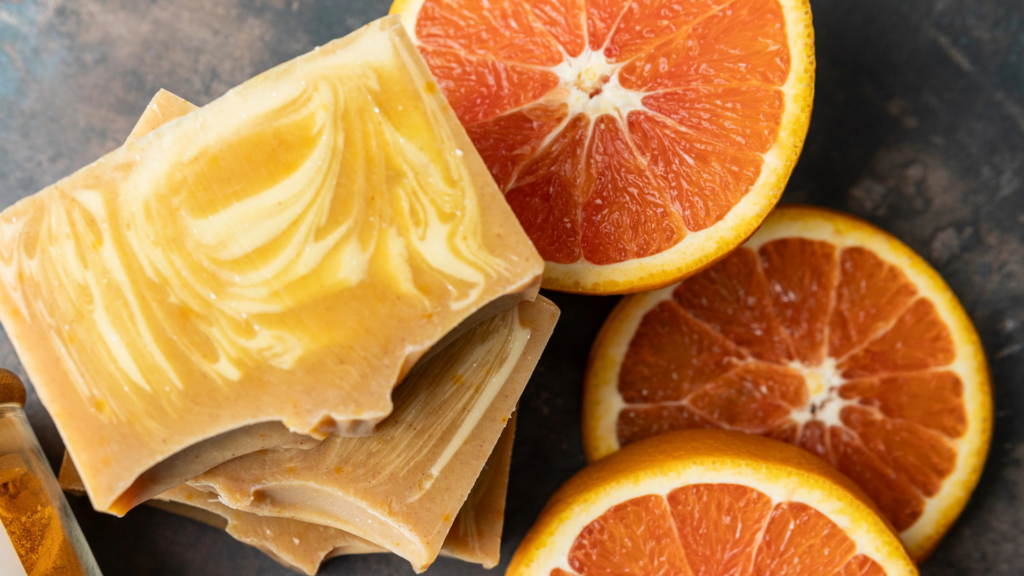
For example, a morning citrus soap might become part of a consumer’s “wake‑up ritual,” while a lavender‑infused bar becomes associated with relaxation in the evening. Over time, these ritualized experiences strengthen brand recall and emotional attachment, encouraging repeat purchases and enhancing customer lifetime value.
Why Smell, Texture, and Ritual Matter for Your Brand
For soap manufacturers and private-label partners, thinking beyond ingredients matters. The most successful products today:
- Smell distinctive
- Feel great
- Fit into consumers’ routines
Conclusion
Sensory branding is no longer a niche strategy; it’s a central driver of consumer engagement in the personal care category. The combined power of smell, texture, and ritual elevates soaps from mere cleansing products to memorable, emotionally charged experiences.
For manufacturers and brand partners, embracing sensory branding is a way to differentiate offerings, deepen loyalty, and create soap products that consumers not only use but also choose and remember.
Want to create a soap that people look forward to using every day?
Let’s talk scent strategy, texture, and the rituals that matter to your audience.