Consumers are no longer satisfied with products that simply “clean.” They want bars that moisturize, protect the skin barrier, support microbiome health, provide sensory benefits, and reduce unnecessary packaging waste – all while fitting seamlessly into modern wellness-focused lifestyles. This shift is reshaping product development across the soap and personal care industry.
Multifunctional soap bars are evolving into high-performance personal care products that support skin health, wellness routines, sustainability goals, and even emotional well-being. Whether in private label, retail, hospitality, or specialty wellness markets, the future of soap is no longer just about hygiene. It’s about delivering a complete skin and sensory experience.
The Rise of “Skinification” in Soap Bars
One of the biggest trends influencing personal care in 2026 is the “skinification” of body care. Consumers are applying the same ingredient scrutiny to soaps and body products that they already apply to facial skincare.
That means soap bars are now expected to deliver benefits such as:
- Skin barrier support
- Hydration retention
- Gentle exfoliation
- Microbiome-friendly cleansing
- Calming or energizing aromatherapy effects
- Targeted skin conditioning
Instead of harsh cleansing systems that strip oils from the skin, brands are increasingly formulating with milder surfactants, nourishing oils, plant butters, colloidal ingredients, fermented extracts, and functional botanicals.
This trend is especially important as consumers become more aware of issues like skin sensitivity, over-exfoliation, and moisture barrier disruption. Industry reports show growing demand for bars designed specifically around skin wellness and ingredient transparency.
Multifunctionality Is Driving Consumer Interest
Today’s consumers want streamlined routines. Products that serve multiple purposes are gaining traction across nearly every personal care category, and soap bars are no exception.
Modern multifunctional bars may combine:
- Cleansing + moisturizing
- Cleansing + exfoliation
- Cleansing + deodorizing
- Cleansing + aromatherapy
- Cleansing + skin-conditioning actives
For brands, this creates opportunities to position soap bars as elevated wellness products rather than commodity items.
We’re also seeing increased interest in “all-in-one” formats designed for travel, fitness lifestyles, outdoor activities, and minimalist consumers. Bars that function across face, body, and even hair applications appeal to customers looking for convenience without sacrificing performance.
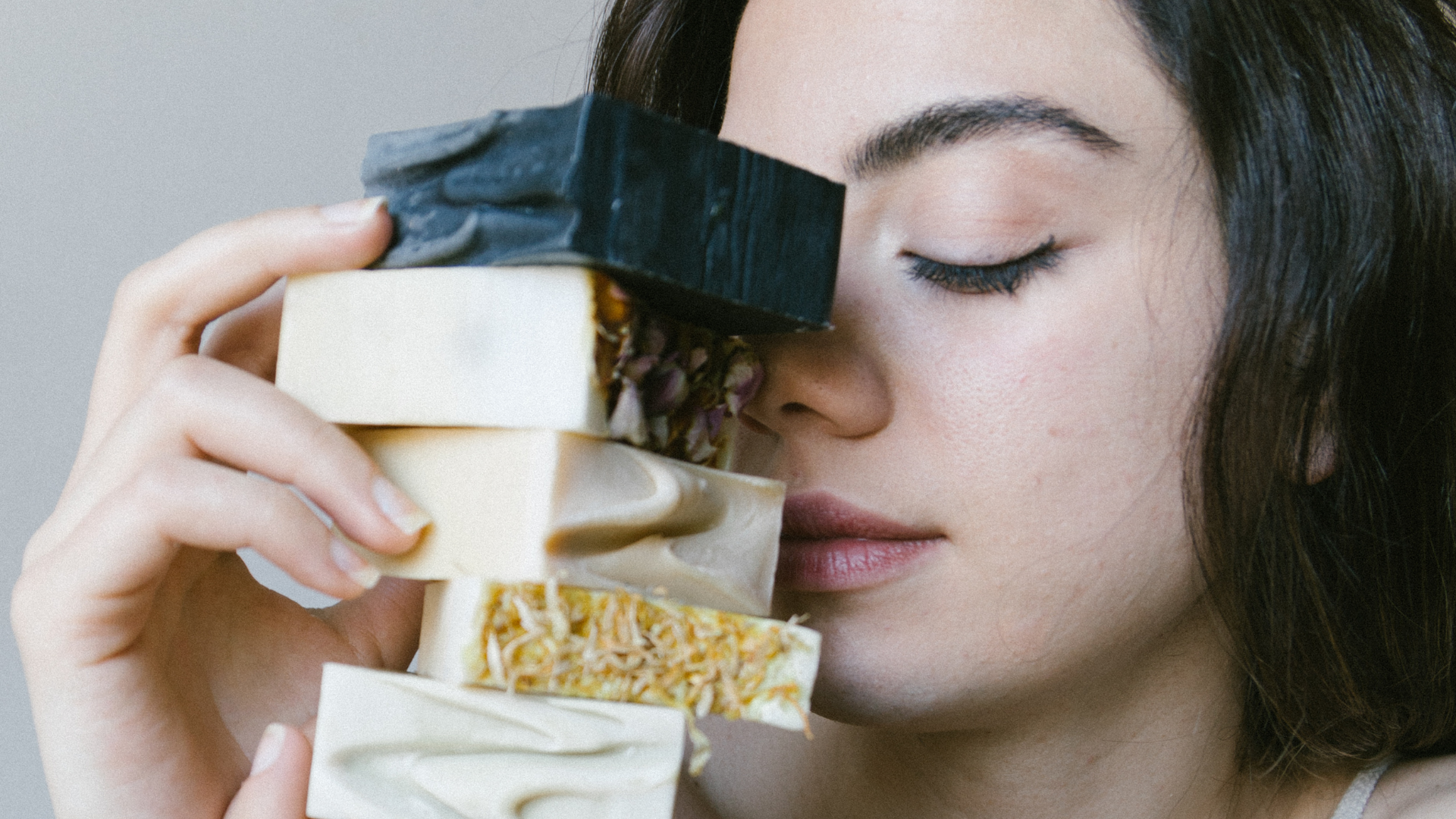
At the same time, premium consumers are gravitating toward ritual-based experiences. Texture, fragrance layering, lather quality, and post-wash skin all play a larger role in purchasing decisions than they did even a few years ago.
Skin Health Is Becoming Central to Product Development
As the market evolves, skin wellness is becoming one of the most important drivers of innovation in soap manufacturing.
Formulators are increasingly focused on ingredients that support:
- The skin microbiome
- Moisture retention
- Reduced irritation potential
- Environmental stress recovery
- Long-term skin comfort
Ingredient-forward product development is especially important in premium retail and private label categories where consumers actively research formulations before purchasing.
This shift is also influencing how brands communicate product value. Marketing language is moving away from basic cleansing claims and toward concepts like wellness support, sensorial care, skin resilience, and ingredient integrity.
For manufacturers, that means balancing performance, stability, aesthetics, and regulatory considerations while still creating bars that feel approachable and enjoyable to use.
Sustainability Still Matters – But Performance Matters More
Sustainability continues to be a major advantage for bar soap formats. Reduced water content, lower packaging requirements, and decreased transportation weight all align with consumer demand for lower-waste personal care options.
However, consumers increasingly expect sustainable products to also deliver premium performance.
That’s changing how brands approach soap development. Simply being “eco-friendly” is no longer enough. Bars must also provide:
- Appealing textures
- High-quality fragrance experiences
- Skin-friendly performance
- Premium aesthetics
- Strong efficacy claims
This creates opportunities for innovation in ingredient sourcing, manufacturing techniques, and sensory formulation.
We’re also seeing greater interest in regenerative ingredients, responsibly sourced oils, and transparent supply chains as brands work to align sustainability messaging with measurable product quality and consumer trust.
The Future of Soap Bars Is Experience-Driven
Soap bars are no longer competing solely with other bars. They’re competing with skincare products, wellness products, spa experiences, and lifestyle brands.
That means successful products will need to deliver more than functionality alone. Consumers increasingly associate cleansing rituals with relaxation, self-care, mindfulness, and emotional wellness. Sensory branding – including fragrance, texture, visual appeal, and tactile experience – is becoming a critical differentiator in crowded markets.
For brands and retailers, multifunctional soap bars represent a major opportunity to create products that bridge personal care, wellness, sustainability, and premium skincare positioning.
The category is evolving quickly, but one thing is clear: the future of soap is no longer just about getting clean. It’s about supporting healthier skin, simplifying routines, and creating products consumers genuinely enjoy using every day.
Want to create a soap that people look forward to using every day?
Let’s talk scent strategy, texture, and the rituals that matter to your audience.