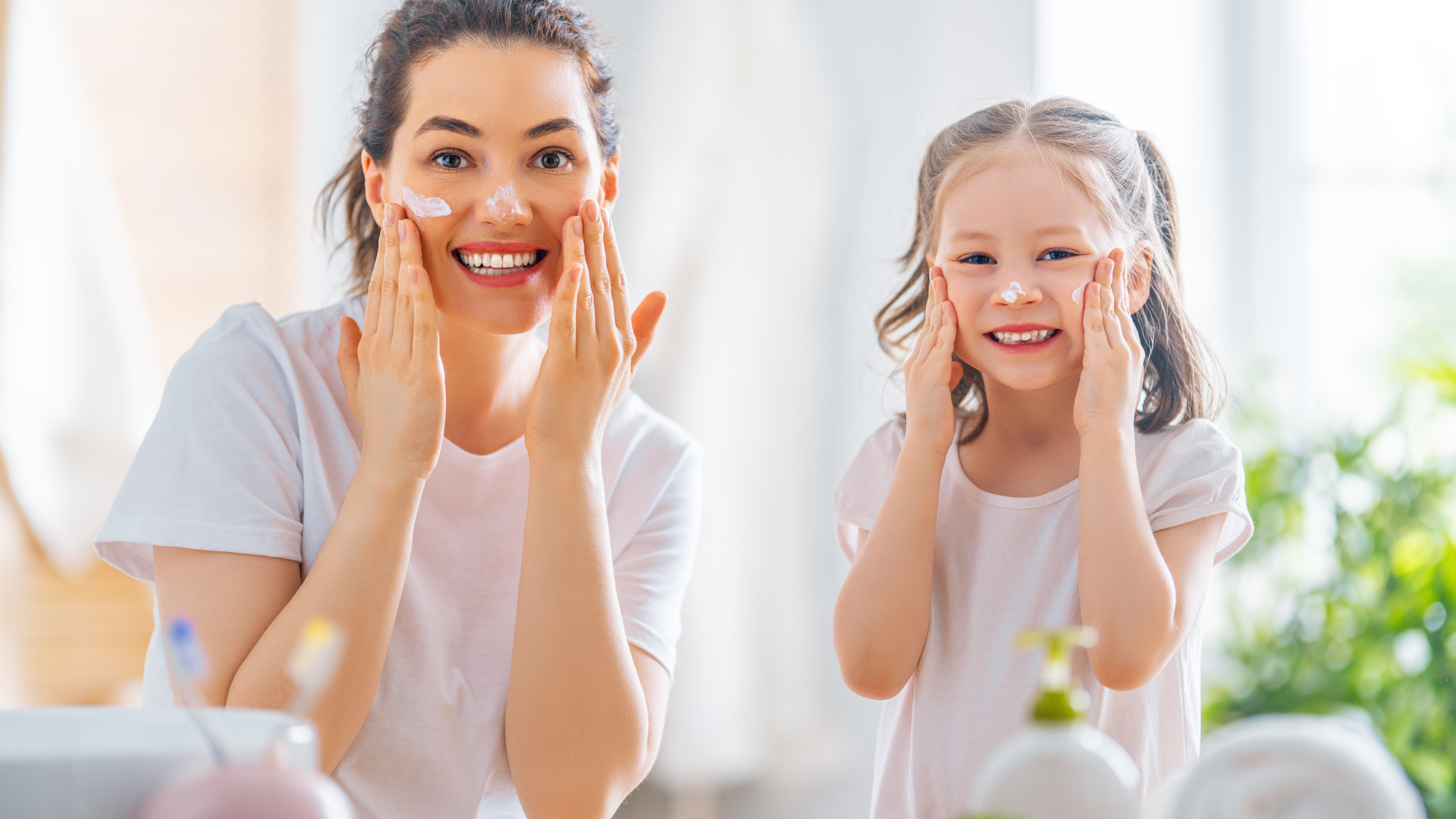
May has a way of shifting perspective. Between Mother’s Day, end-of-school routines, and the ramp-up to summer travel, families start thinking differently about daily rituals – especially the ones that happen in the bath and shower. For personal care brands, this seasonal reset is more than just a merchandising moment; it’s an opportunity to rethink who those products are really for.
Increasingly, the answer isn’t just “the end user.” It’s the household.
The Rise of the “Family Decision Unit”
Gen Alpha, generally defined as those born after 2010, is already influencing purchasing decisions in a measurable way. In fact, research shows that a significant percentage of tweens actively shape what goes into the cart, particularly in beauty and personal care.
That influence shows up in subtle ways:
- Ingredient awareness (yes, even at age 10)
- Brand recognition driven by digital exposure
- Preference for products that feel “designed for them”
At the same time, Millennial parents remain the gatekeepers – prioritizing safety, transparency, and value alignment.
The result is a dual-audience dynamic that soap brands can’t afford to ignore. You’re no longer formulating for one demographic. You’re formulating for a conversation happening across generations, often in the same bathroom.
The White Space: Between Baby Care and Adult Formulations
Historically, personal care has been segmented into two clear buckets: baby-safe or adult-targeted. Gen Alpha is exposing the limitations of that binary.
There’s growing demand for products that sit in the middle:
- Gentle, but not simplistic
- Effective, but not over-engineered
- Age-appropriate, but still aspirational
Industry insights point to a clear gap and opportunity for products designed specifically for tweens and young teens, particularly in cleansing and body care.
For manufacturers, this means rethinking formulation frameworks:
- Lower active concentrations
- Barrier-supportive ingredients (e.g., mild surfactant systems, glycerin, ceramide-supporting blends)
- Avoidance of harsh exfoliants or unnecessary actives
In short: function-first formulations that respect developing skin.
Ingredient Transparency Isn’t Optional Anymore
If there’s one defining trait of Gen Alpha (and their Millennial parents), it’s scrutiny.
This is a generation growing up hearing terms like:
- Hyaluronic acid
- Niacinamide
- Vitamin C
…often before they fully understand them.
There’s a growing backlash against overly complex routines and inappropriate ingredient positioning for children.
What does resonate:
- Clearly explained ingredient decks
- Purpose-driven formulations
- Claims that align with dermatological best practices
For B2B partners, this puts pressure on product development and marketing alignment. INCI lists, claims substantiation, and educational positioning need to work together – not compete.
Sensory Experience as a Functional Benefit
For Gen Alpha, product experience matters just as much as product performance.
This is a generation that expects:
- Engaging textures (foams, gels, hybrid formats)
- Distinct but approachable fragrance profiles
- Visually appealing formats and packaging
But here’s where it gets interesting: sensory design isn’t just about novelty; it’s a compliance tool.
A product that feels good to use is:
- More likely to be used consistently
- More likely to support hygiene routines
- More likely to become part of a family ritual
And that ties directly into the broader shift of body care into “self-care” – a category Gen Alpha is already helping redefine.
Safety, Simplicity, and the “Routine Reset”
As we move into summer, families tend to streamline routines. That’s good news for soap and body care, if products are positioned correctly.
What families are looking for right now:
- Multi-use formats (body + hands, or simplified routines)
- Travel-friendly packaging
- Gentle, daily-use formulations
There’s also a growing awareness, among parents especially, of the risks associated with overusing highly active skincare products on young skin. This reinforces the value of back-to-basics cleansing systems that prioritize skin health over trend-driven claims.
For brands, May becomes a strategic inflection point:
- Reposition everyday cleansing as foundational wellness
- Emphasize routine-building over product layering
- Support family-wide usability without sacrificing formulation integrity
Designing for Trust Across Generations
Gen Alpha may be the emerging user, but trust is still earned at the parent level.
And trust, increasingly, is built through:
- Transparent sourcing and manufacturing practices
- Clear age-appropriate positioning
- Consistency between formulation, claims, and brand messaging
This generation and their families gravitate toward brands that demonstrate authenticity, inclusivity, and environmental awareness.
For private label and contract manufacturing partners, this translates into a higher bar:
- Documentation readiness
- Ingredient traceability
- Flexible formulation capabilities to meet evolving retail demands
Where Soap Brands Can Win
For manufacturers and brands alike, the opportunity isn’t just in creating “kids’ products” – it’s in creating family-integrated personal care systems.
That can look like:
- Tiered product lines (gentle base + targeted variants)
- Customizable fragrance or format options
- Positioning that bridges fun and function
The brands that succeed here will be the ones that understand a simple truth:
Gen Alpha isn’t the next consumer – they’re already in the room.
And increasingly, they’re part of the decision.
Final Thought
As families reset routines this May, soap is uniquely positioned to anchor daily wellness in a way that’s accessible, repeatable, and trusted.
For brands and manufacturers, that means thinking beyond traditional segmentation and designing products that meet the moment where it actually happens:
At home.
At the sink.
Across generations.
Want to create a soap that people look forward to using every day?
Let’s talk scent strategy, texture, and the rituals that matter to your audience.