April marks Earth Month, a time when businesses across industries take a closer look at sustainability – and the personal care sector is no exception. From ingredients to manufacturing methods, brands are evaluating how their products impact the environment.
One area receiving increasing attention is packaging.
Why Packaging Matters Now More Than Ever
Soap is a repeat-purchase product. Customers use it daily, which means packaging accumulates quickly over time. Traditional single-use containers – especially plastic bottles – can contribute significantly to waste.
This shift in consumer awareness is driving demand for:
- Refillable containers
- Reduced-plastic packaging
- Recyclable or biodegradable materials
- Minimalist packaging designs
For retailers and private-label brands launching or expanding soap lines, refillable and low-waste packaging solutions are quickly becoming a competitive advantage. Consumers want products that align with their values, and sustainability has become a key factor in purchasing decisions.
The good news? Many manufacturers are already adapting. At Commonwealth Soap & Toiletries, sustainability is integrated into both product development and packaging considerations, helping brands bring environmentally responsible products to market without sacrificing quality or performance.
If you’re exploring refillable or zero-waste packaging options, here are a few important questions retailers should ask when evaluating manufacturing partners:
1. What Refillable Packaging Options Are Available?
Refillable systems are one of the most effective ways to reduce packaging waste while encouraging repeat purchases.
Retailers should ask manufacturers about several possible formats, including:
- Durable pump bottles designed for long-term use
- Bulk refill pouches or containers
- Refill stations for retail environments
- Larger refill containers that reduce packaging per use
The right option depends on your brand’s retail channel. For example, hospitality brands may favor refillable dispensers, while boutique retailers often prefer refill pouches paired with reusable bottles.
Manufacturers with experience in private-label development can help retailers identify packaging formats that align with both branding and sustainability goals.
2. Are Packaging Materials Truly Eco-Friendly?
Not every package labeled “sustainable” is equally effective. Retailers should look beyond marketing claims and ask about the actual materials being used.
Key considerations include:
- Recyclable plastics such as PET or HDPE
- Aluminum containers that can be recycled repeatedly
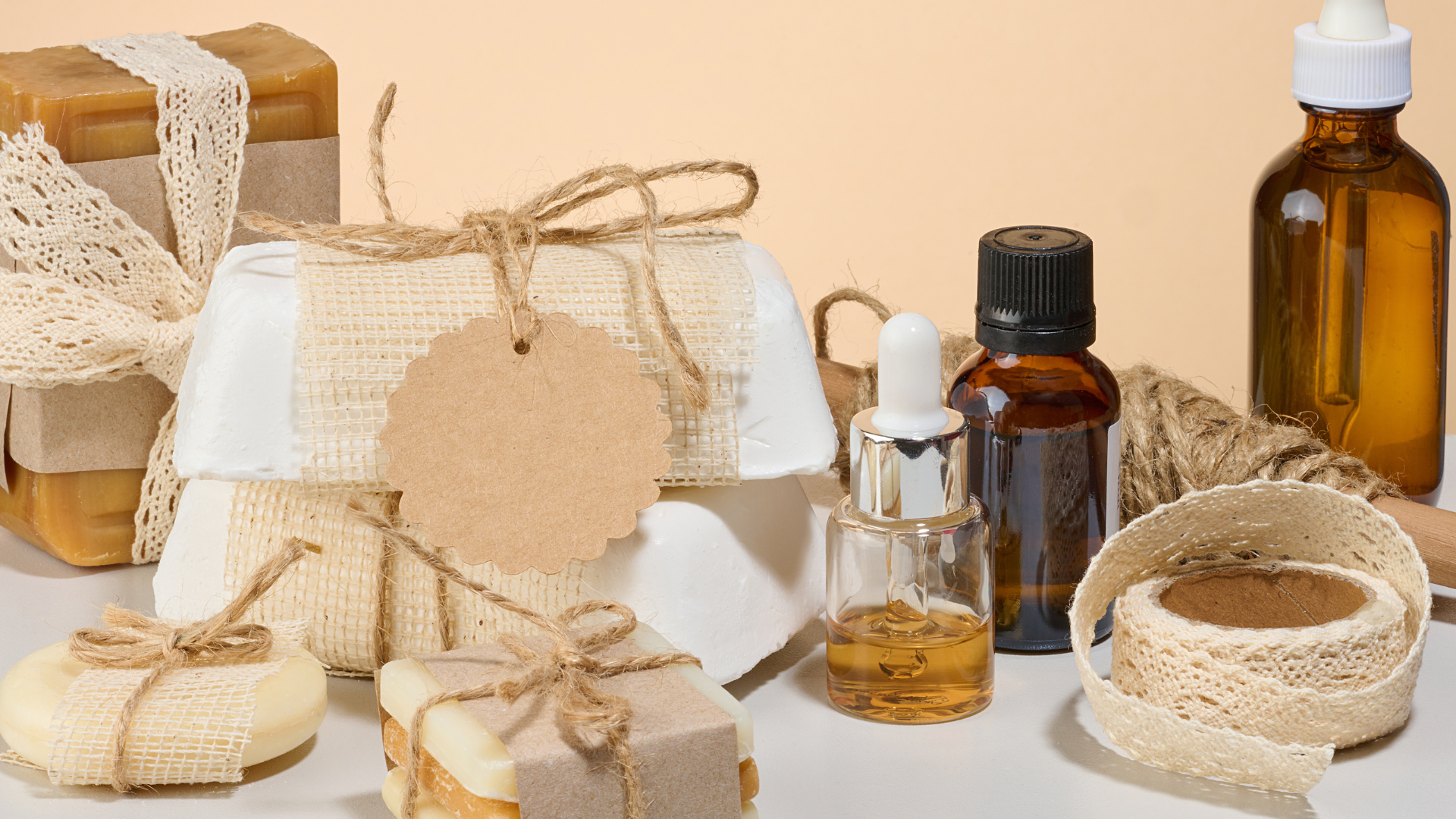
- Paper-based packaging for bar soaps
- Reduced-plastic packaging structures
Manufacturers that prioritize sustainability typically integrate eco-friendly packaging options directly into their product development process. This allows retailers to create products that balance aesthetics, durability, and environmental impact.
3. How Does Packaging Align with Brand Identity?
Packaging plays a major role in how consumers perceive a product on the shelf.
A sustainable design should still communicate the brand’s identity and quality standards. Retailers should work with manufacturers who can support:
- Custom packaging designs
- Labeling that clearly communicates sustainability benefits
- Materials that reinforce brand positioning
At Commonwealth Soap & Toiletries, packaging development is part of a collaborative process that helps brands create products that are both visually compelling and environmentally responsible.
4. How Sustainable Is the Manufacturing Process?
Packaging is only one part of the sustainability equation.
Retailers should also evaluate the manufacturing methods behind their products. Modern soap production technologies can significantly reduce environmental impact through energy efficiency and cleaner processes.
For example, advanced saponification systems can significantly reduce energy consumption compared to older manufacturing methods while maintaining consistent product quality.
When manufacturers prioritize efficiency and responsible production practices, retailers can confidently market their products as part of a more sustainable supply chain.
5. Can the Solution Scale with Your Brand?
Many retailers begin with a small product line and expand as demand grows. Packaging choices should support that growth.
Important considerations include:
- Availability of materials at higher production volumes
- Consistency in packaging sourcing
- Cost efficiency as product lines scale
A manufacturing partner with strong supplier relationships and flexible production capabilities can help ensure that sustainability initiatives remain viable as your brand grows.
Building a More Sustainable Soap Line
Earth Month is a reminder that sustainability is no longer optional in the personal care industry. Consumers increasingly look for products that combine performance, transparency, and environmental responsibility.
Refillable systems and zero-waste packaging offer retailers an opportunity to reduce environmental impact while strengthening brand loyalty and repeat purchases.
By asking the right questions and partnering with experienced manufacturers, brands can develop soap products that meet modern consumer expectations without compromising quality.
At Commonwealth Soap & Toiletries, sustainable manufacturing, customizable packaging, and collaborative product development help retailers bring innovative personal care products to market. With decades of experience in both bar and liquid soap manufacturing, CST works with brands of all sizes to create products that align with evolving industry trends and consumer values.
Ready to take your soap brand to the next level? Let’s talk.